GRCC Leadership
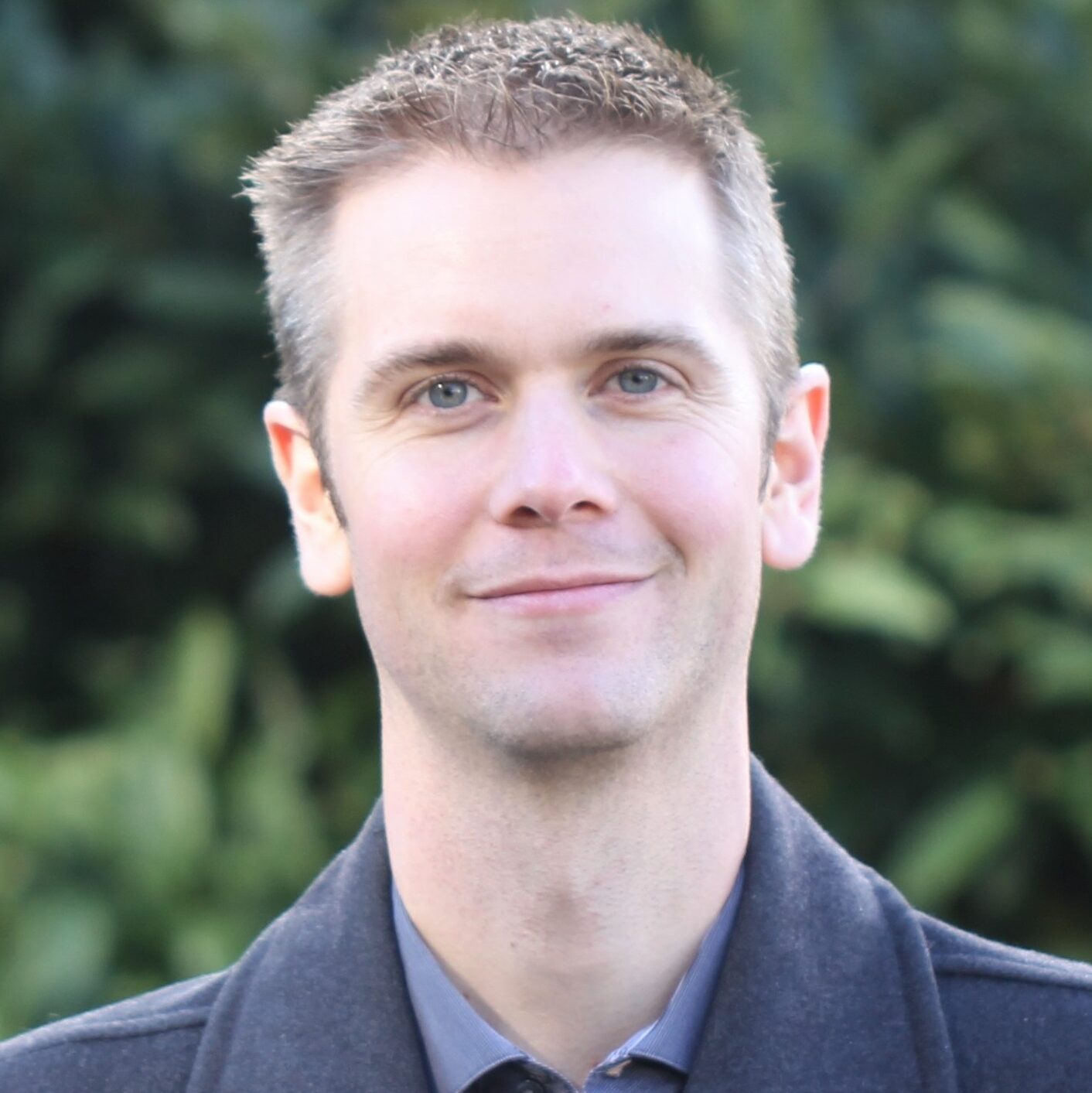
Carl de Boer, PhD, PLEng
Co-founder, Director, GRCC
School of Biomedical Engineering, University of British Columbia
Dr. de Boer’s research spans synthetic biology and AI, with the aim of enabling personalized genomic medicine.
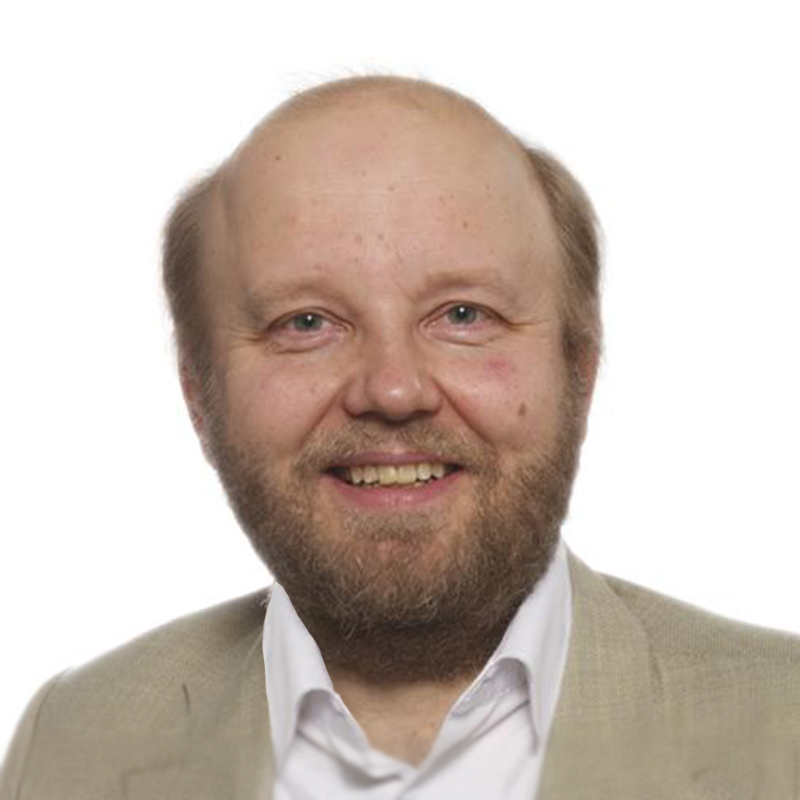
Jussi Taipale, PhD
Co-founder, Director, GRCC
Generative and Synthetic Genomics Programme, Wellcome Sanger Institute, Hinxton, UK;
Department of Biochemistry, University of Cambridge, Cambridge, UK;
Applied Tumor Genomics Program, Biomedicum, University of Helsinki, Helsinki, Finland
Department of Medical Biochemistry and Biophysics, Karolinska Institutet, Stockholm, Sweden
Dr. Taipale studies how sequence determines when and where genes are expressed, and the role of gene expression in cancer.
GRCC Members
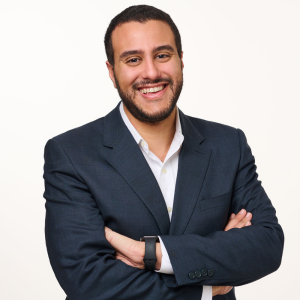
Omar Abudayyeh, PhD
Assistant Professor of Medicine, Department of Medicine, Harvard Medical School Investigator, Division of Eng. in Medicine, Department of Medicine, Brigham and Women’s Hospital Director of Gene Editing, MGB Gene and Cell Therapy Institute Department of Stem Cell and Regenerative Biology, Harvard University Associate Member, Broad Institute of MIT and Harvard
Building molecular and virtual tools for programming biology.
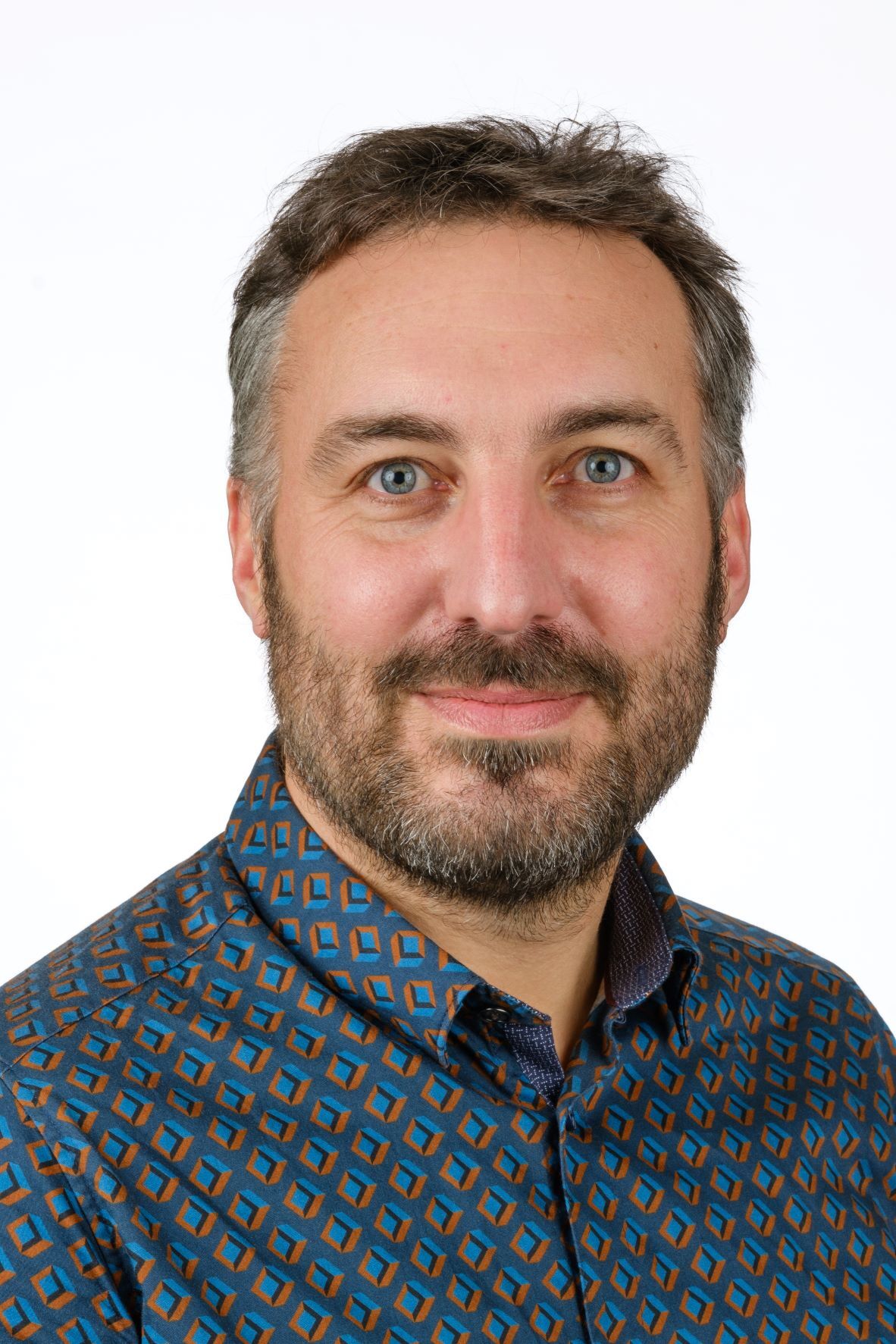
Stein Aerts, PhD
VIB.AI (VIB Center for AI & Computational Biology) & University of Leuven, Belgium
The Aerts lab focuses on deciphering the cis-regulatory code, using a combination of single-cell, machine-learning, and experimental approaches across Metazoa.
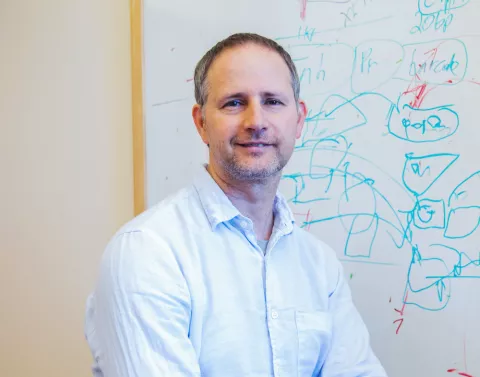
Nadav Ahituv, PhD
Department of Bioengineering and Therapeutic Sciences; Institute for Human Genetics; UCSF
Functional genomics of gene regulatory elements and gene therapy.
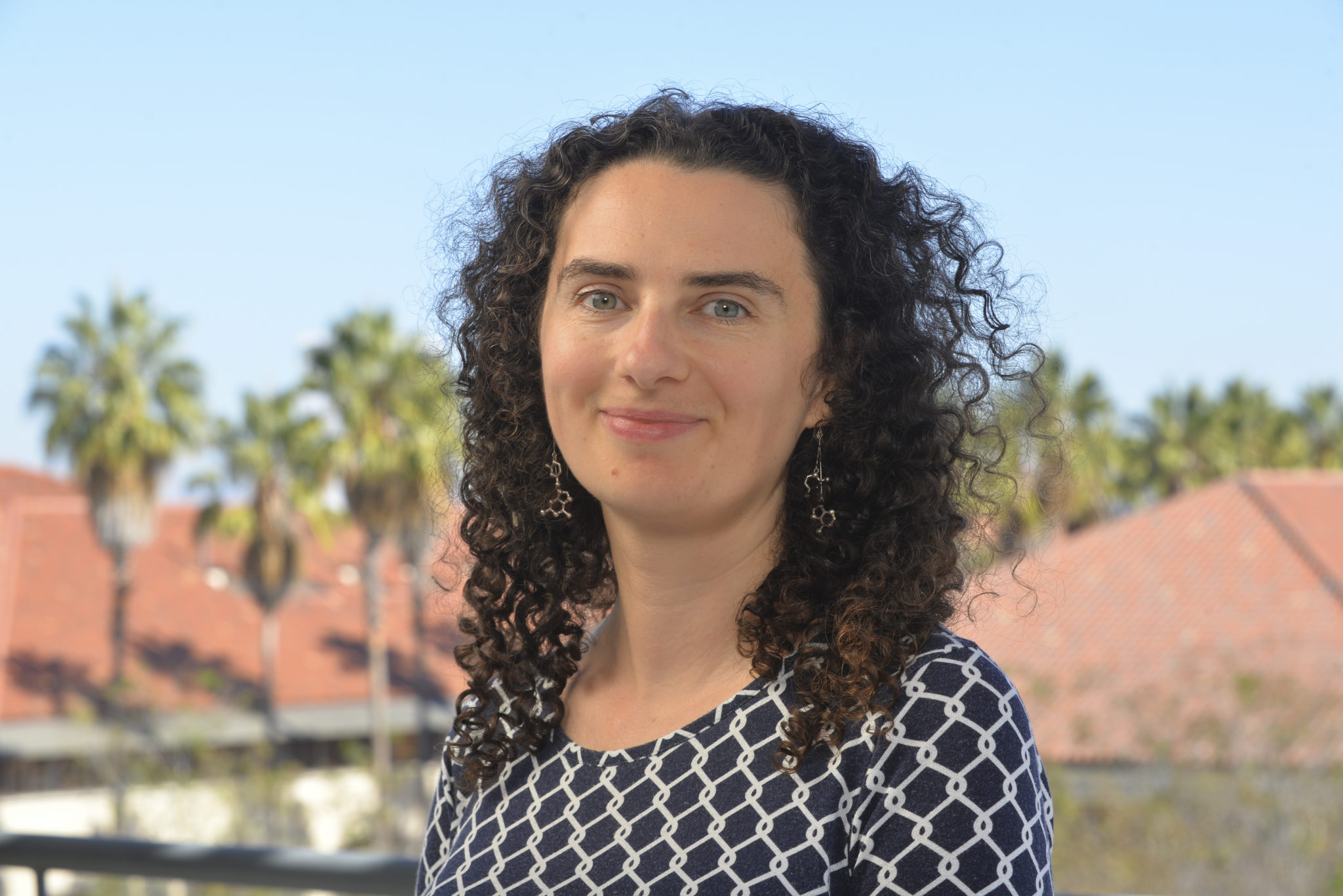
Lacra Bintu
Department of Bioengineering, Stanford University
Dr. Bintu’s lab uses high-throughput synthetic biology, single-cell and single-molecule measurements, and mathematical modeling to get at basic principles of gene and chromatin regulation in mammalian cells.
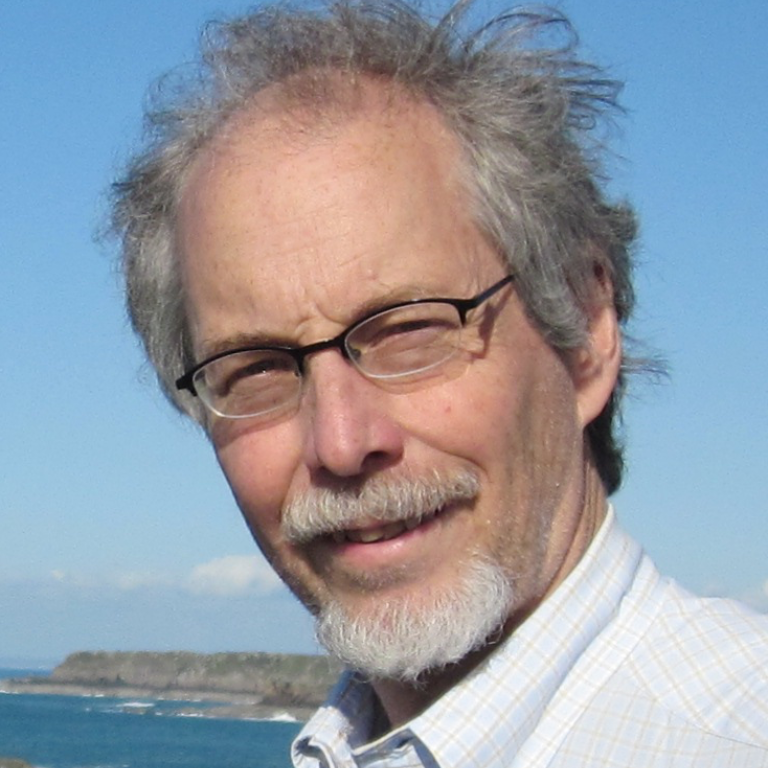
Jef Boeke
Institute for Systems Genetics, NYU Langone
We are using Big DNA technology and random DNA Sequence generation to try to decipher gene regulatory codes.
Martha Bulyk, Ph.D.
Div. Genetics, Dept. Medicine; Dept. Pathology; Brigham & Women’s Hospital and Harvard Medical School
Experimental and computational approaches including tech dev to investigate transcription factors & cis-regulatory elements.
Professor Tom Ellis
Department of Biochemistry, Imperial College London
Applying synthetic biology at chromosomal scale in microbes and mammalian cells.
Julien Gagneur, PhD
Technical University of Munich and Helmholtz Munich
Julien Gagneur develops computational methods for an improved understanding of the genetic basis of gene regulation and its implication in diseases.
Timothy R. Hughes, PhD
Donnelly Centre and Department of Molecular Genetics, University of Toronto
DNA and RNA sequence recognition.
Prof. Daniel Ibrahim
Berlin Institute of Health / Max Planck Institute for Molecular Genetics, Berlin
Systematic genome engineering with small and large synthetic transgenes to dissect and re-program cell type specific gene expression patterns in mammalian genomes.
Peter Koo, PhD
Cold Spring Harbor Laboratory
Advancing AI for regulatory genomics.
Anshul Kundaje, PhD
Department of Genetics, Department of Computer Science, Stanford University
We develop ML models & interpretation methods for decoding the cis-regulatory code.
Jean-Benoit Lalanne, PhD
Department of Biochemistry, University of Montreal
Single-cell method development to quantitatively measure enhancer activity in developmental systems.
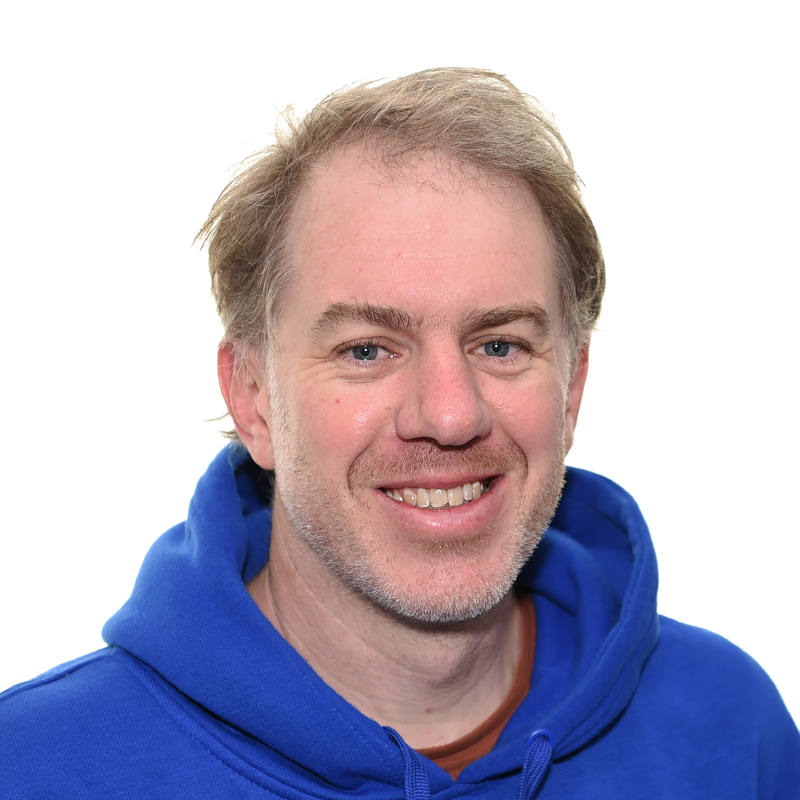
Ben Lehner, PhD
Wellcome Sanger Institute
Splicing regulatory code and transcription factor binding specificity.
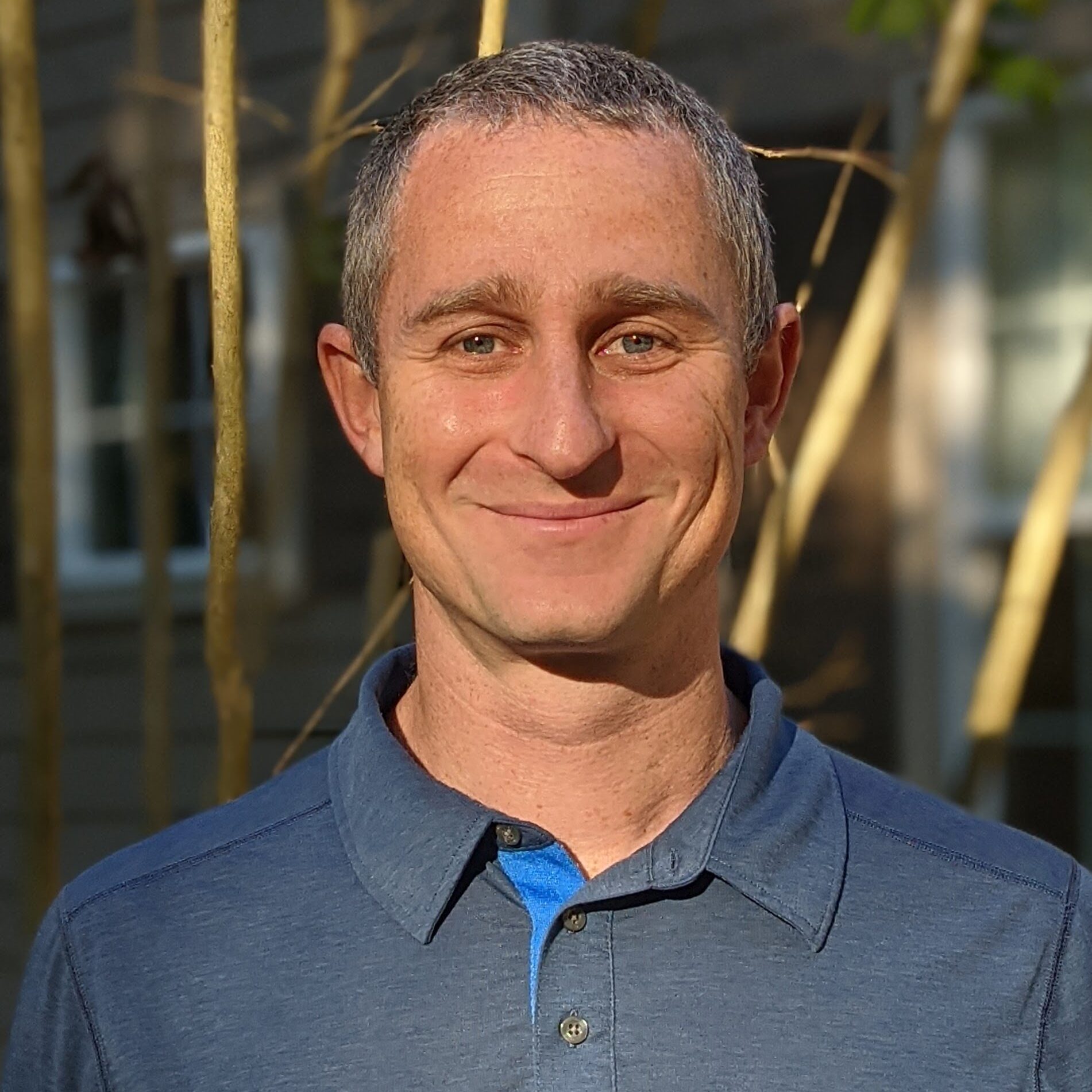
Craig Lowe, PhD
Department of Molecular Genetics and Microbiology, Duke University
My lab is working to understand the gene regulatory consequences of each mutation that separates humans from the other great apes.
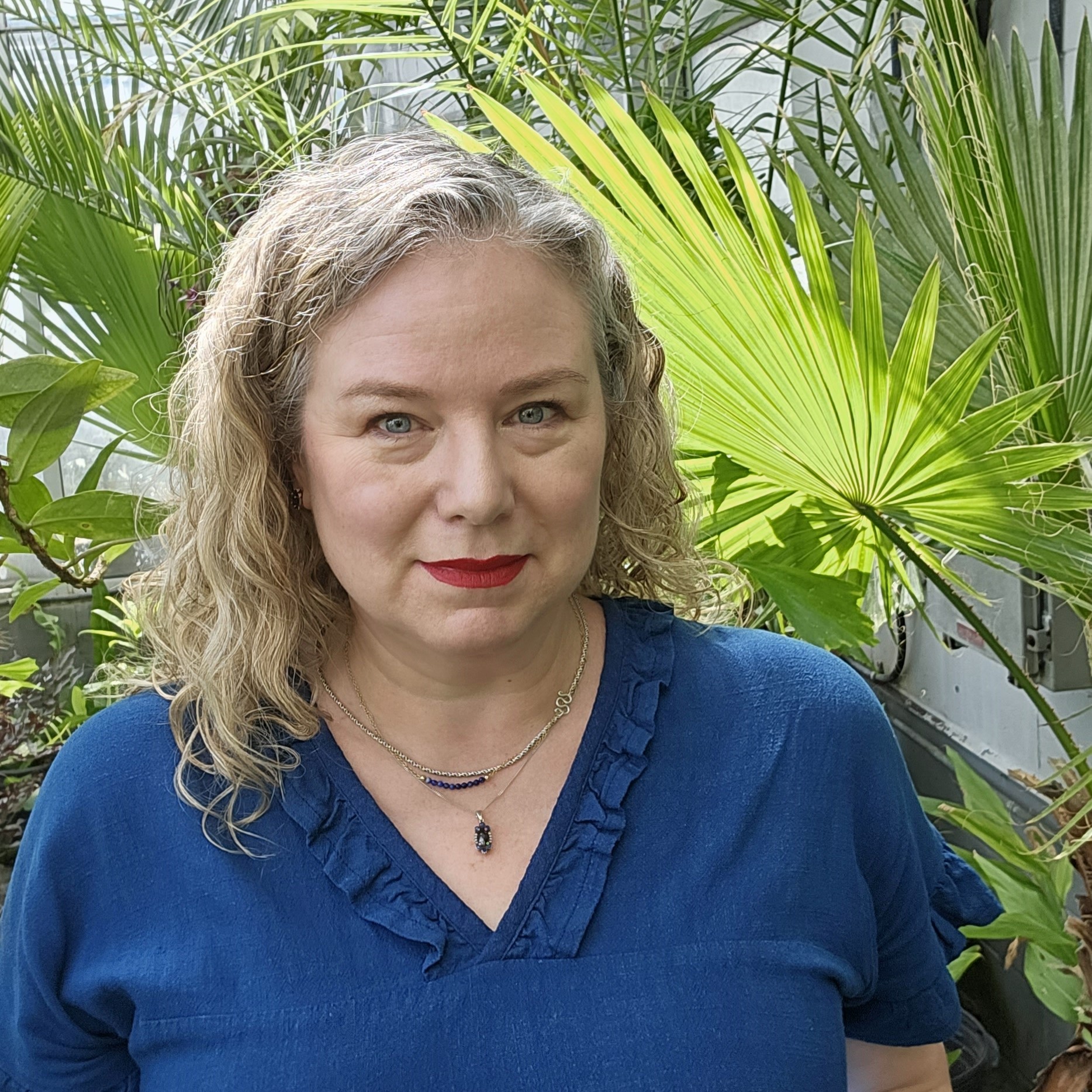
Jennifer Mitchell, PhD
Department of Cell and Systems Biology, University of Toronto
We use CRISPR genome editing and in genome reporter assays to investigate the regulatory code in stem cells and disease.

Sudarshan Pinglay, PhD
Department of Genome Sciences, University of Washington
Tinkering with mammalian genomes through synthetic genomics, multiplexed single-cell readouts, and de novo design.
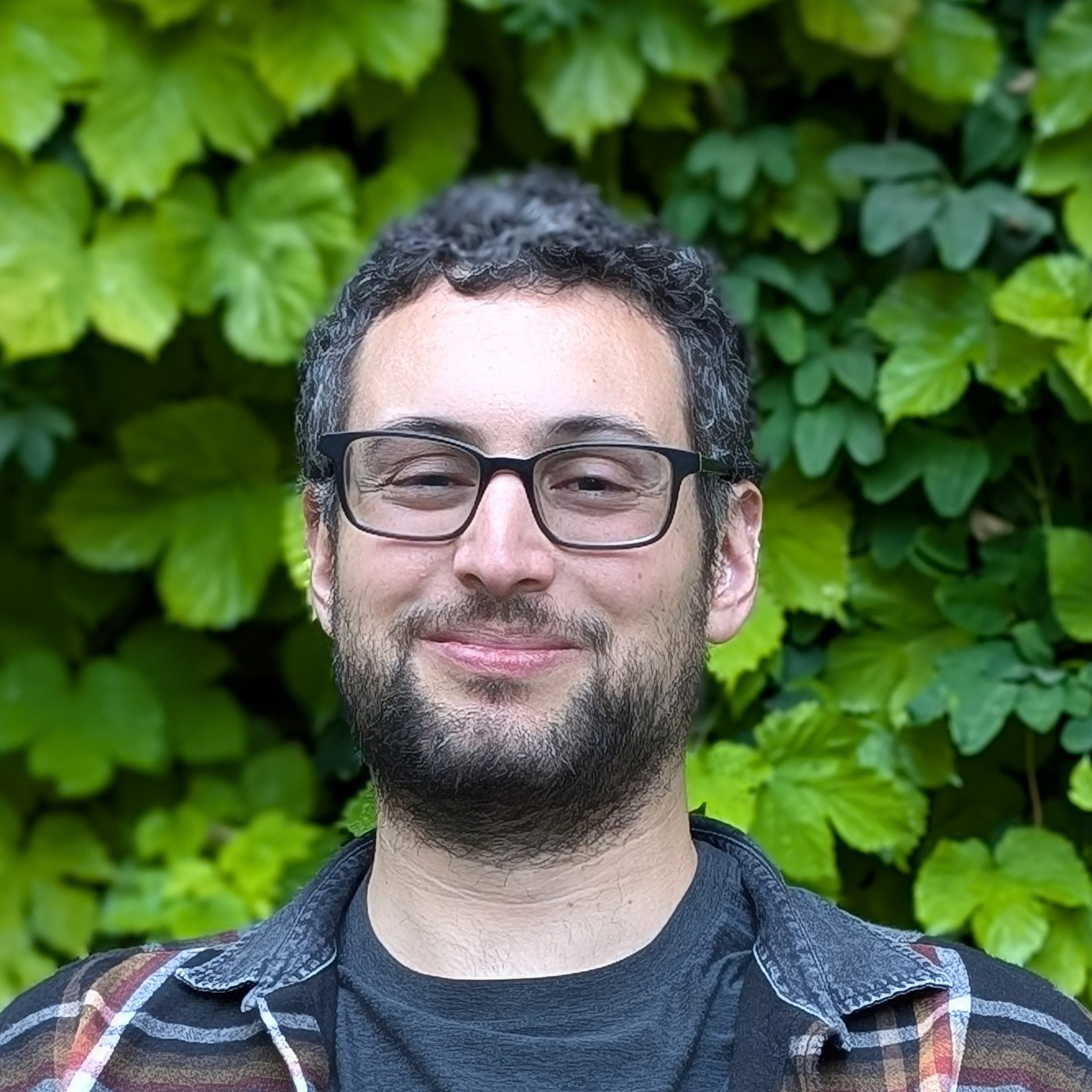
Jacob Schreiber, Ph.D.
Department of Genomics and Computational Biology, UMass Chan Medical School
Developing machine learning tools to decipher the regulatory role of each nucleotide in the genome and how this changes across every cell in our bodies.
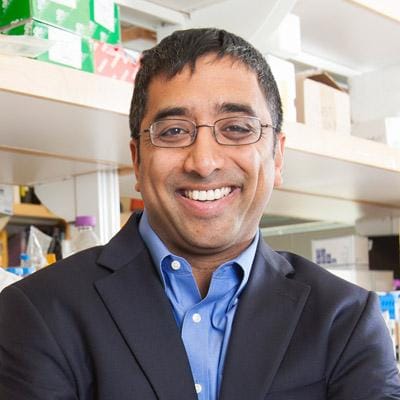
Jay Shendure, MD, PhD
Seattle Hub for Synthetic Biology (Allen-CZI-UW); Howard Hughes Medical Institute
Genome Technology.
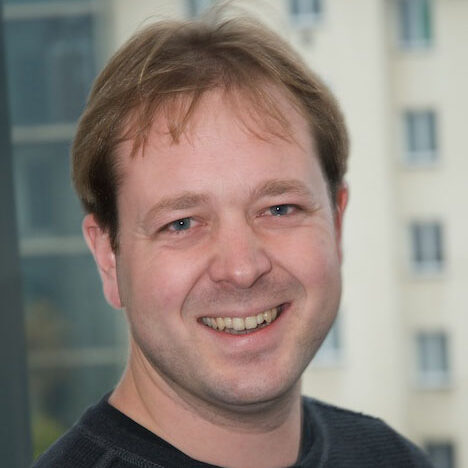
Alexander Stark, PhD
The Research Institute of Molecular Pathology (IMP)
We study how gene-regulatory information is encoded by the genomic DNA sequence and how the cellular machinery reads this information to execute transcription control.
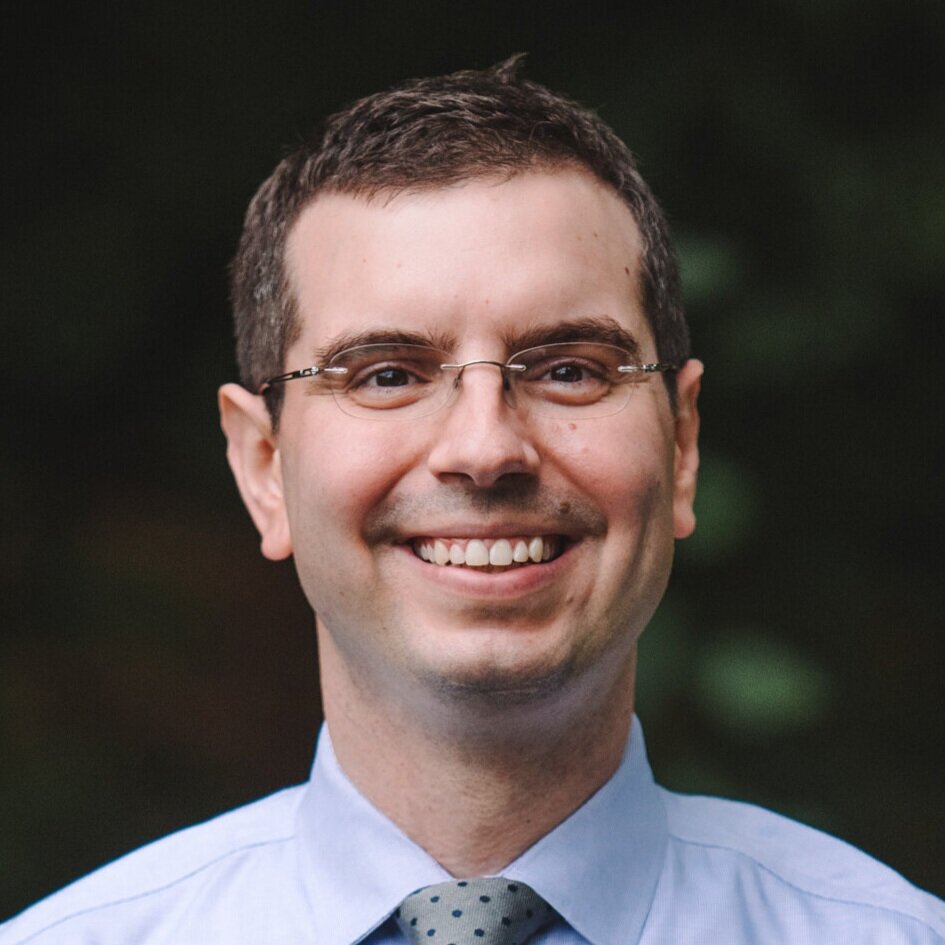
Andrew B. Stergachis, MD PhD
Departments of Medicine and Genome Sciences, University of Washington
Dr. Stergachis’ group uses single-molecule chromatin assays to resolve how non-coding genetic variants cause rare diseases.
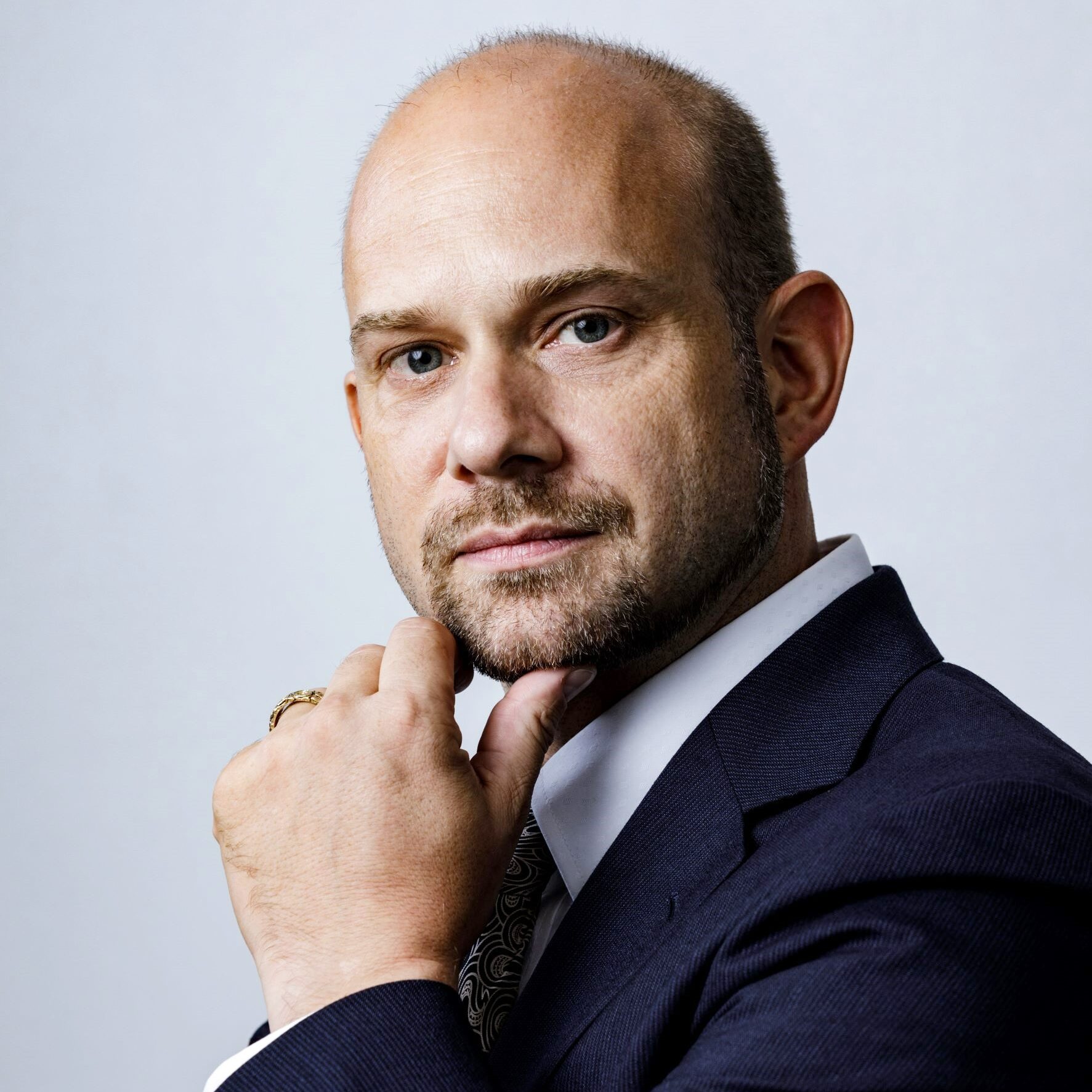
Knut Woltjen, Ph.D.
Department of Life Science Frontiers, Center for iPS Cell Research and Application (CiRA), Kyoto University
Understanding human genetic variation through gene editing in human induced pluripotent stem cells.
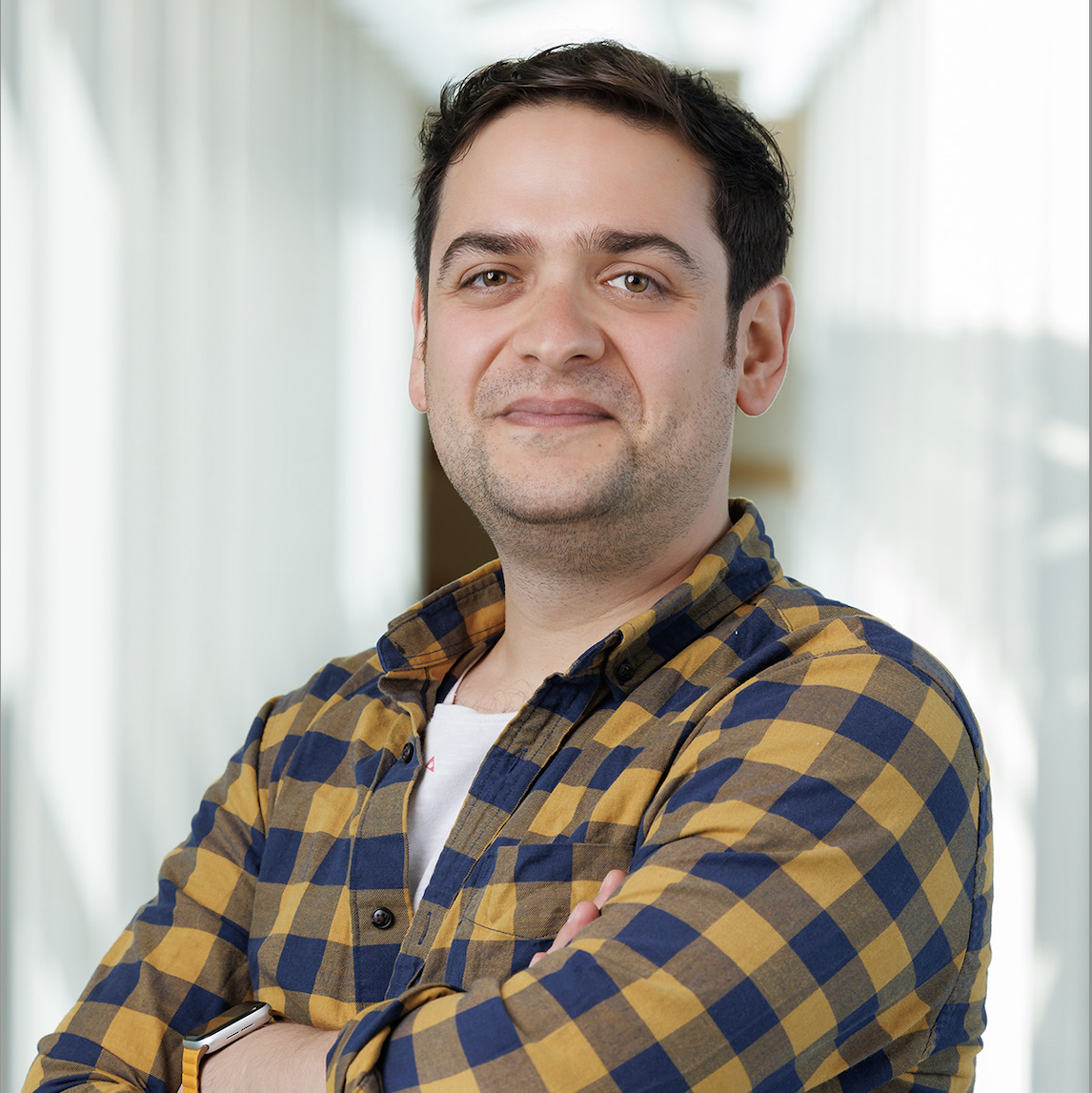
Gokcen Eraslan
Genentech / ReLU
Building AI/ML models for DNA/RNA sequences
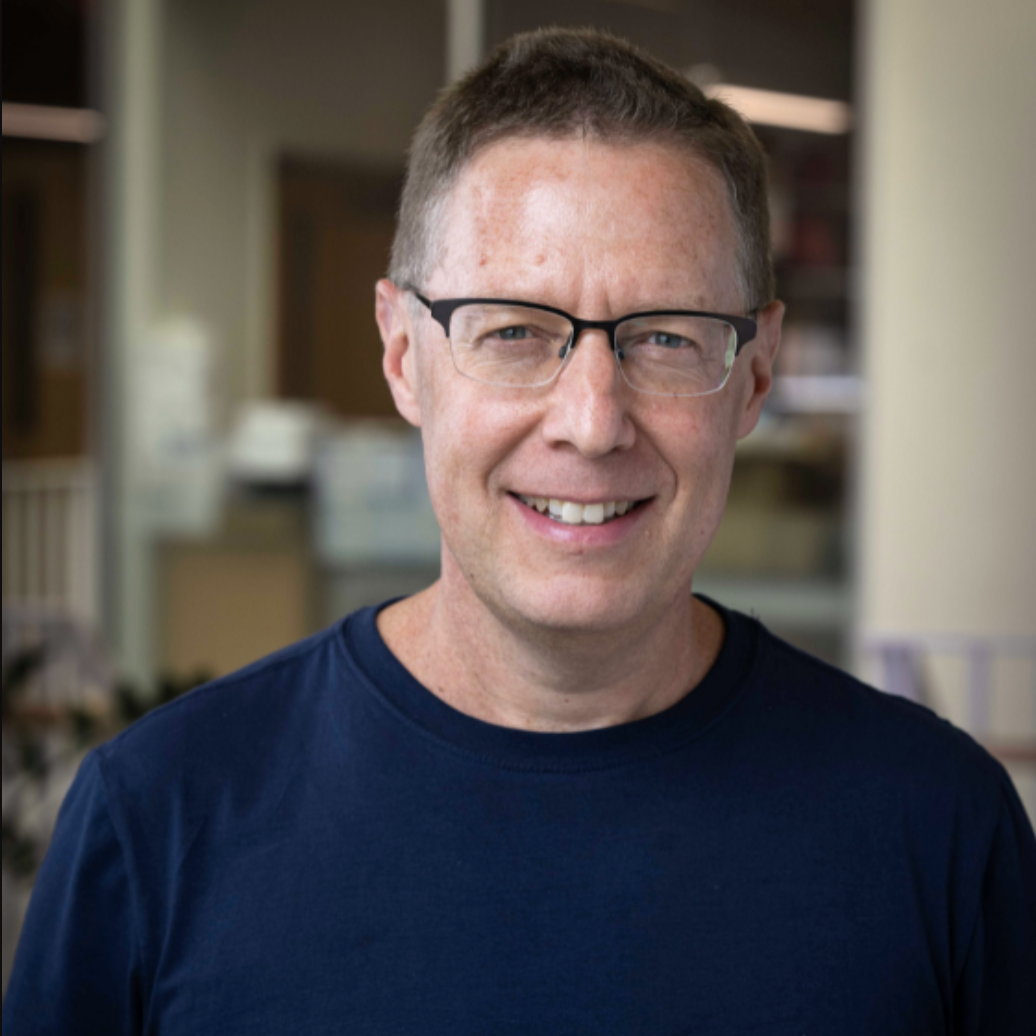
Michael White, PhD
Department of Genetics, Washington University in St. Louis
I pair MPRAs with computational modeling to learn how context determines the function of TF binding sites.
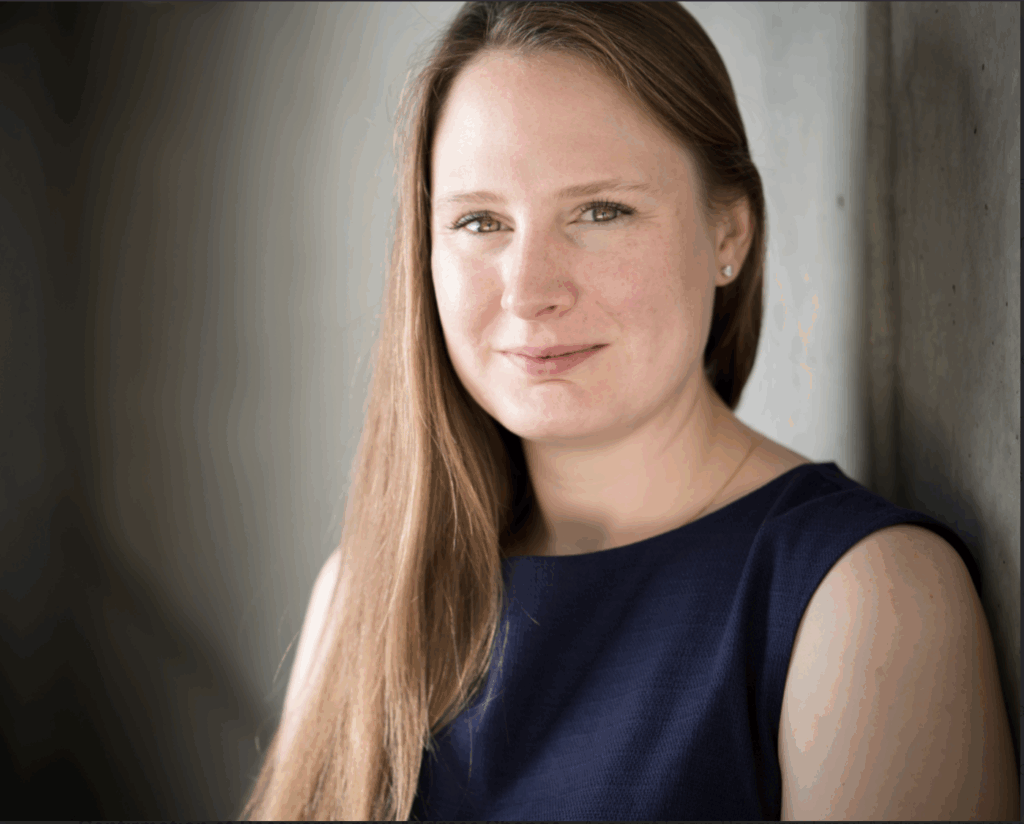
Emma Farley, PhD
Department of Molecular Biology and Medicine, University of California San Diego
Enhancer grammar in development and disease

Luca Pinello, PhD
Department of Pathology, MGH/Harvard Medical School, Gene Regulatory Observatory, Broad Institute, Department of Biostatistics Harvard School of Public Health
Developing generative AI and graph-based computational frameworks to decode the regulatory grammar of the genome and design precision genome editing strategies for therapeutic applications.
Ryan Tewhey
Jackson Laboratory
The Tewhey Lab investigates how single-nucleotide changes in gene regulatory elements influence phenotype.
Jian Zhou, PhD
Section of Genetic Medicine, University of Chicago
Understand regulatory sequences with computational approaches
Jonathan Gootenberg, PhD
Department of Medicine, Harvard Medical School
Building molecular and virtual tools for programming biology
Joanna Wysocka, PhD
Dept.of Chemical and Systems Biology, Dept. of Developmental Biology, Stanford University
We study gene regulatory mechanisms that underlie phenotypic variation among cell types, species, and individuals.
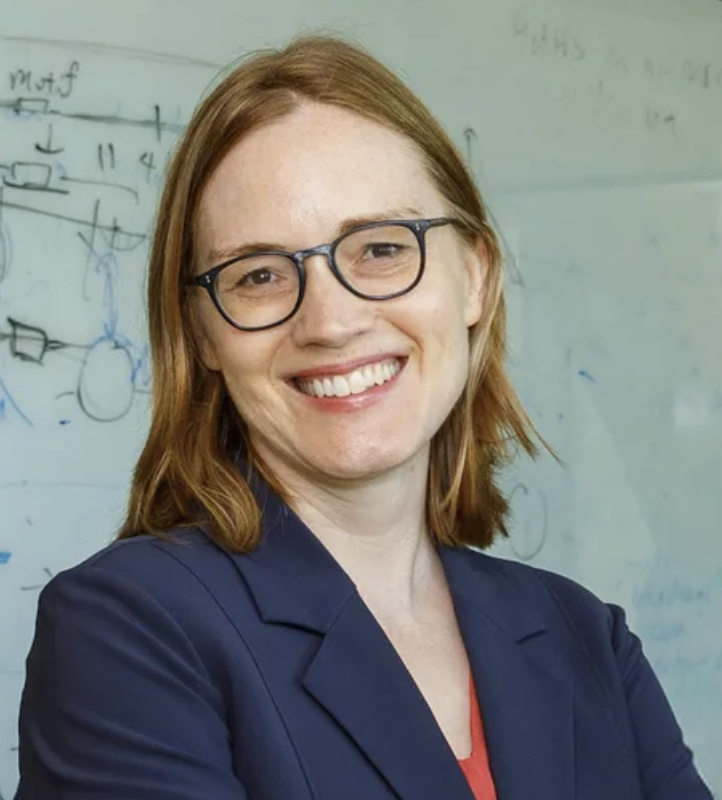
Julia Zeitlinger
Stowers Institute for Medical Research
Understand regulatory sequenDeep-learning based discovery of the missing rules of gene regulations with computational approaches
Matthew Maurano
Institute for Systems Genetics
We use synthetic regulatory genomics to understand how noncoding sequence elements control gene expression